BLOOM PHYSICAL THERAPY & WELLNESS BLOG





FOLLOW BLOOM PTW ON INSTAGRAM

Postpartum Pelvic Floor Leaking: Typical but NOT Normal
Many women are told that leaking urine after having a baby is simply part of motherhood.
While pelvic floor leaking postpartum is very common, it should not be considered normal or something women simply have to live with.
Pregnancy and birth place significant stress on the pelvic floor muscles, which support the bladder, uterus, and bowel.
These muscles may become:
weakened
stretched
poorly coordinated
As a result, activities like coughing, running, sneezing, or jumping may lead to urinary leakage.
Postpartum leaking is typical because many women experience it.
But it is not normal in the sense that it indicates the pelvic floor system is not functioning optimally.
The encouraging news is that pelvic floor dysfunction is highly treatable.
Pelvic floor physical therapy focuses on restoring coordination, strength, and support to the pelvic floor—and all the other core and hip muscles that support the PF!
Treatment may include:
pelvic floor muscle training
breathing and core coordination
movement retraining
guidance for return to exercise
When the pelvic floor works together with the core and diaphragm, the body can manage pressure much more effectively.
Women should consider evaluation if they experience:
leaking with exercise
pelvic pressure or heaviness
discomfort during movement
difficulty returning to activities they enjoy
These symptoms are signals from the body — not something women need to simply accept.
At Bloom Physical Therapy & Wellness, we help mothers rebuild strength and confidence so they can move comfortably in their bodies again.
Because postpartum recovery should support long-term health, not just short-term survival! Reach out if you’d like to chat more!
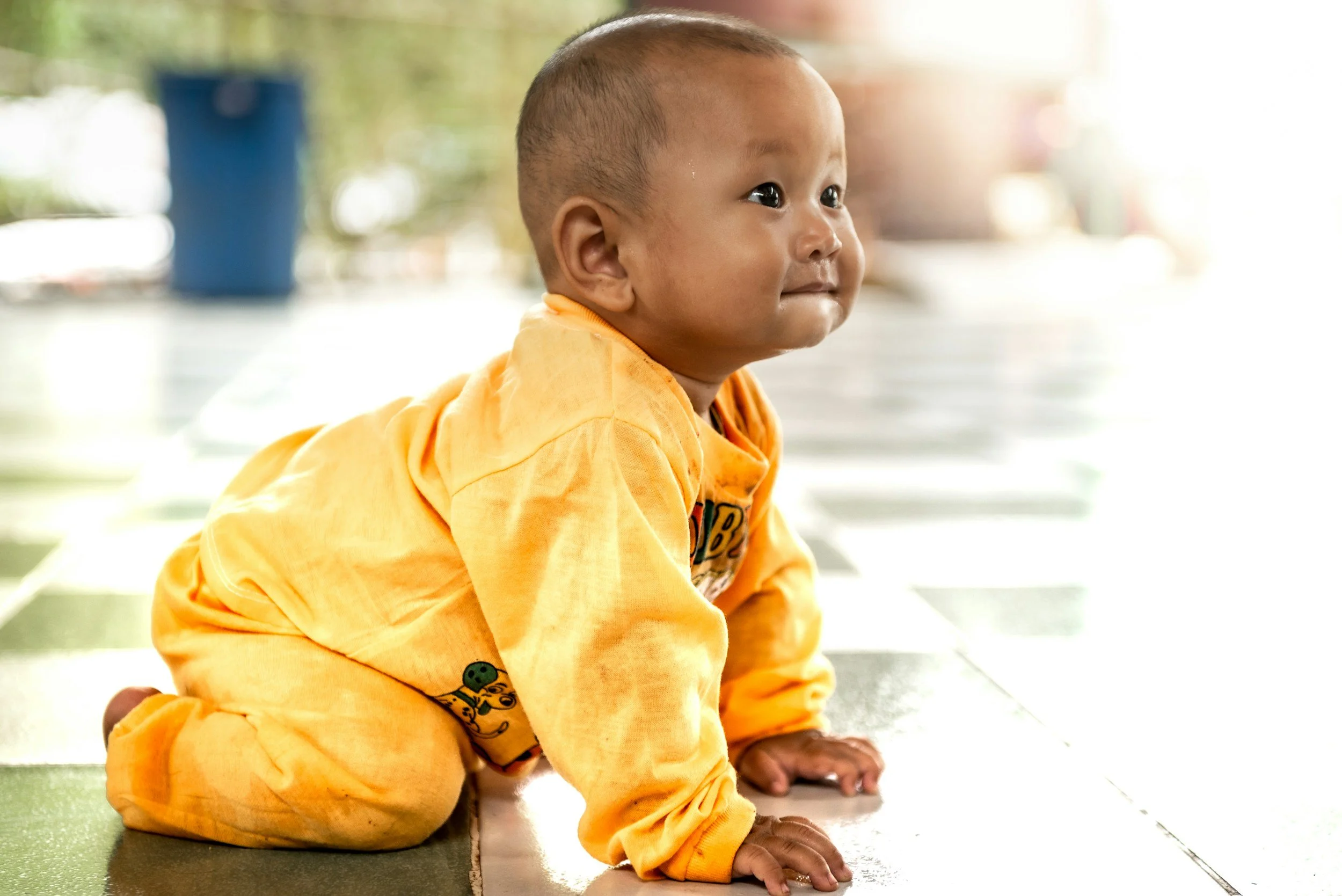
Why Crawling Matters For Your Baby’s Development
Crawling is often treated as a milestone that babies can simply skip. Many parents hear phrases like “some babies just go straight to walking.”
While every baby’s development is unique, crawling plays an incredibly important role in building strength, coordination, and brain development.
Crawling requires babies to coordinate their arms, legs, and core at the same time.
This movement strengthens:
shoulders
hips
core muscles
hands and wrists
These muscles provide the foundation for standing, walking, and later physical activity.
Crawling is also so important neurologically. The cross-body pattern of crawling — opposite arm and leg moving together — helps strengthen communication between the left and right sides of the brain.
This coordination supports:
balance
coordination
visual tracking
learning and motor planning
During crawling, babies learn to stabilize their trunk while moving their limbs. This skill is essential for:
sitting balance
standing stability
walking coordination
Without these foundational skills, some children may compensate with different movement patterns.
Parents and caregivers can help support and encourage crawling development by:
allowing plenty of floor play
minimizing time in containers
encouraging tummy time early
placing toys slightly out of reach
Movement exploration is one of the most powerful ways babies learn about their bodies and their environment! If your baby isn’t crawling, feel free to reach out and we can chat!
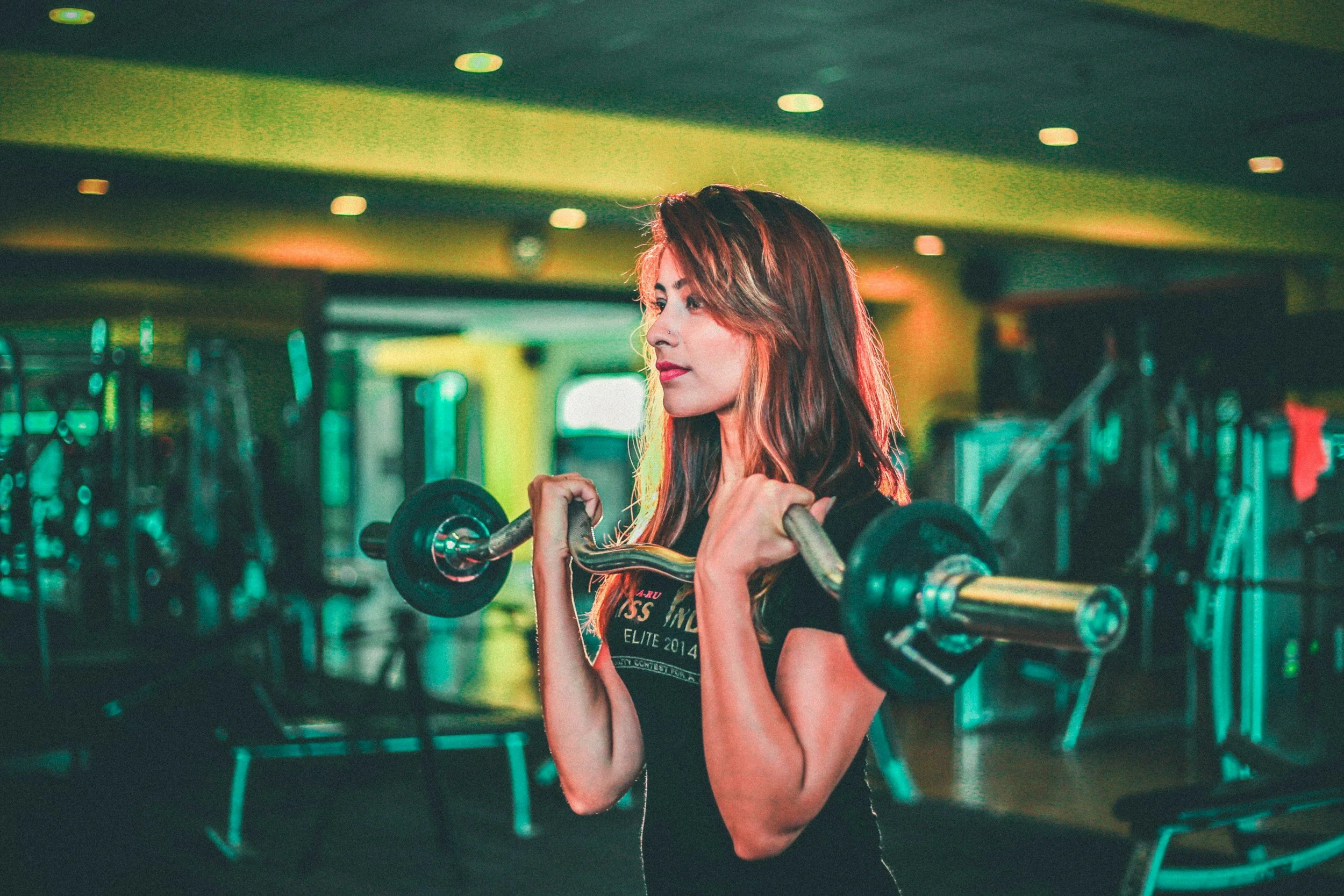
Perimenopause and Exercise: How to Support Your Body Through Hormonal Change
Perimenopause is a natural stage of life, but many women feel caught off guard by how dramatically their bodies begin to change.
Hormonal fluctuations during this phase can impact energy levels, recovery, muscle mass, metabolism, and joint health. The good news? Exercise can be one of the most powerful tools to support your body during this transition — when approached in the right way.
What is it?
Perimenopause is the phase leading up to menopause when estrogen and progesterone levels begin to fluctuate. It often begins in a woman’s late 30s or 40s and can last several years.
Common symptoms include:
Increased fatigue
Changes in body composition
Joint stiffness
Sleep disruption
Slower recovery from workouts
Increased abdominal fat
These changes are not a sign that women should stop exercising. Instead, they signal that exercise strategies may need to evolve.
One of the most significant changes during perimenopause is the gradual loss of muscle mass.
Strength training becomes critical because it helps:
• maintain muscle
• support bone density
• improve metabolism
• stabilize joints
• protect long-term health
Women who prioritize resistance training during this stage often feel stronger, more resilient, and better able to manage hormonal shifts.
During perimenopause, the body may also become more sensitive to excessive stress and overtraining.
Instead of pushing harder and harder, women often benefit from balancing:
strength training
walking or low-impact cardio
mobility work
adequate rest
Recovery is not a sign of weakness — it is part of building a sustainable, healthy movement practice.
Many women entering perimenopause are also years postpartum and may still have unresolved pelvic floor or core dysfunction. Although as women have kids later in life, sometimes one season runs right into the next!
Addressing these areas can help prevent:
back pain
pelvic floor symptoms
limitations with exercise
A strong foundation allows women to stay active through every stage of life.
At Bloom Physical Therapy & Wellness, we help women navigate movement through pregnancy, postpartum, and beyond — including the often overlooked stage of perimenopause.
Because strength and mobility should support your body for the long run!

Why isn’t my baby rolling yet?
Rolling is one of the first major movement milestones babies develop, and it often gives parents their first glimpse into how their baby moves and explores their environment.
While every baby develops at their own pace, difficulty rolling can sometimes signal that a baby needs a little extra support.
Most babies begin rolling between 4 and 5 months of age. Rolling requires coordination between the:
head and neck
trunk muscles
hips and pelvis
core stability
It’s a surprisingly complex movement that depends on strength, mobility, and body awareness.
There are several reasons why a baby might have difficulty rolling. Some common factors include (but aren’t limited to!):
Body tension or stiffness
If a baby’s muscles are tight or restricted, it can limit the ability to shift weight and rotate the body.
Neck tightness or torticollis
Limited neck mobility can make it harder for babies to initiate rolling.
Limited tummy time
Tummy time helps build the strength needed for rolling, pushing, and later crawling.
Asymmetry in movement
If a baby consistently prefers one side, they may have difficulty coordinating movement toward the other direction.
Rolling is more than just a milestone — it’s part of the foundation for later movement skills.
Rolling helps babies develop:
trunk rotation
weight shifting
coordination between the upper and lower body
early core strength
These early skills set the foundation for sitting, crawling, and eventually pulling to stand and walking.
Parents may want to consider an evaluation if their baby:
shows little interest in rolling by 6 months
is only able to roll in one direction
appears stiff or uncomfortable during movement
strongly prefers looking one direction
Early skilled support can help babies develop more comfortable and balanced movement patterns. Don’t hesitate to reach out if you have any of these concerns!

Am I Ready for High-Impact Exercise Postpartum? A DPT’s Checklist
If exercise suddenly feels harder, recovery feels slower, or your body isn’t responding the way it used to — you’re not imagining it.
What is perimenopause?
Perimenopause is the hormonal transition leading up to menopause, often beginning in the late 30s or early 40s.
Common changes that affect exercise:
Fluctuating estrogen and progesterone
Increased fatigue
Joint stiffness
Changes in body composition
Sleep disruption
How exercise should shift during this phase
Instead of pushing harder:
Prioritize strength training
Focus on recovery
Support joints and connective tissue
Reduce excessive high-intensity volume
How PT supports women in perimenopause
We help you:
Modify workouts safely
Address aches and injuries early
Build sustainable strength
Feel confident in your body again
Exercise should support your life — not drain you. With the right approach, movement can feel empowering again!
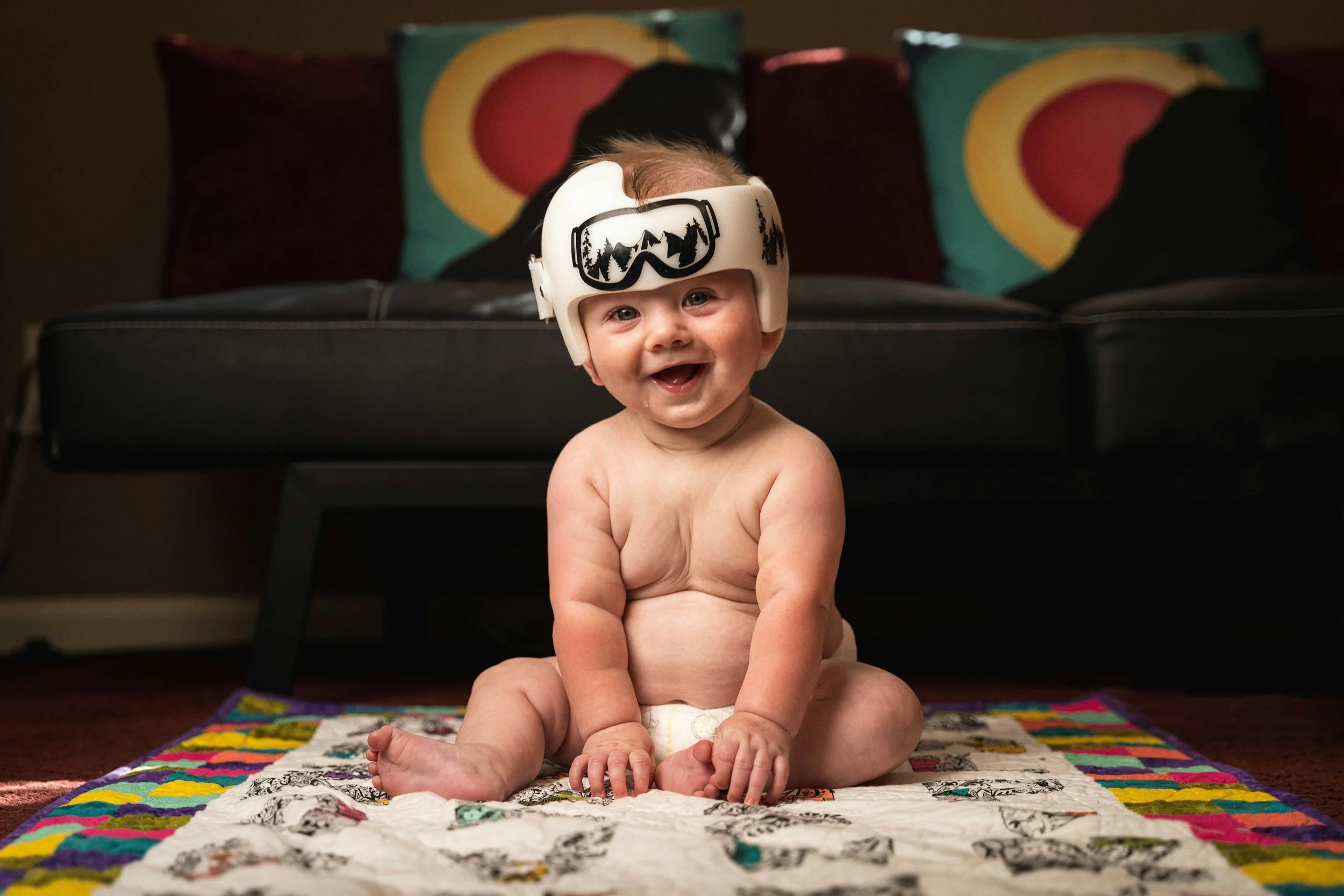
Plagiocephaly: Flat Head Syndrome Explained (and When to Seek Help)
If exercise suddenly feels harder, recovery feels slower, or your body isn’t responding the way it used to — you’re not imagining it.
What is perimenopause?
Perimenopause is the hormonal transition leading up to menopause, often beginning in the late 30s or early 40s.
Common changes that affect exercise:
Fluctuating estrogen and progesterone
Increased fatigue
Joint stiffness
Changes in body composition
Sleep disruption
How exercise should shift during this phase
Instead of pushing harder:
Prioritize strength training
Focus on recovery
Support joints and connective tissue
Reduce excessive high-intensity volume
How PT supports women in perimenopause
We help you:
Modify workouts safely
Address aches and injuries early
Build sustainable strength
Feel confident in your body again
Exercise should support your life — not drain you. With the right approach, movement can feel empowering again!

Perimenopause & Exercise: How to Train Smarter, Not Harder
If exercise suddenly feels harder, recovery feels slower, or your body isn’t responding the way it used to — you’re not imagining it.
What is perimenopause?
Perimenopause is the hormonal transition leading up to menopause, often beginning in the late 30s or early 40s.
Common changes that affect exercise:
Fluctuating estrogen and progesterone
Increased fatigue
Joint stiffness
Changes in body composition
Sleep disruption
How exercise should shift during this phase
Instead of pushing harder:
Prioritize strength training
Focus on recovery
Support joints and connective tissue
Reduce excessive high-intensity volume
How PT supports women in perimenopause
We help you:
Modify workouts safely
Address aches and injuries early
Build sustainable strength
Feel confident in your body again
Exercise should support your life — not drain you. With the right approach, movement can feel empowering again!
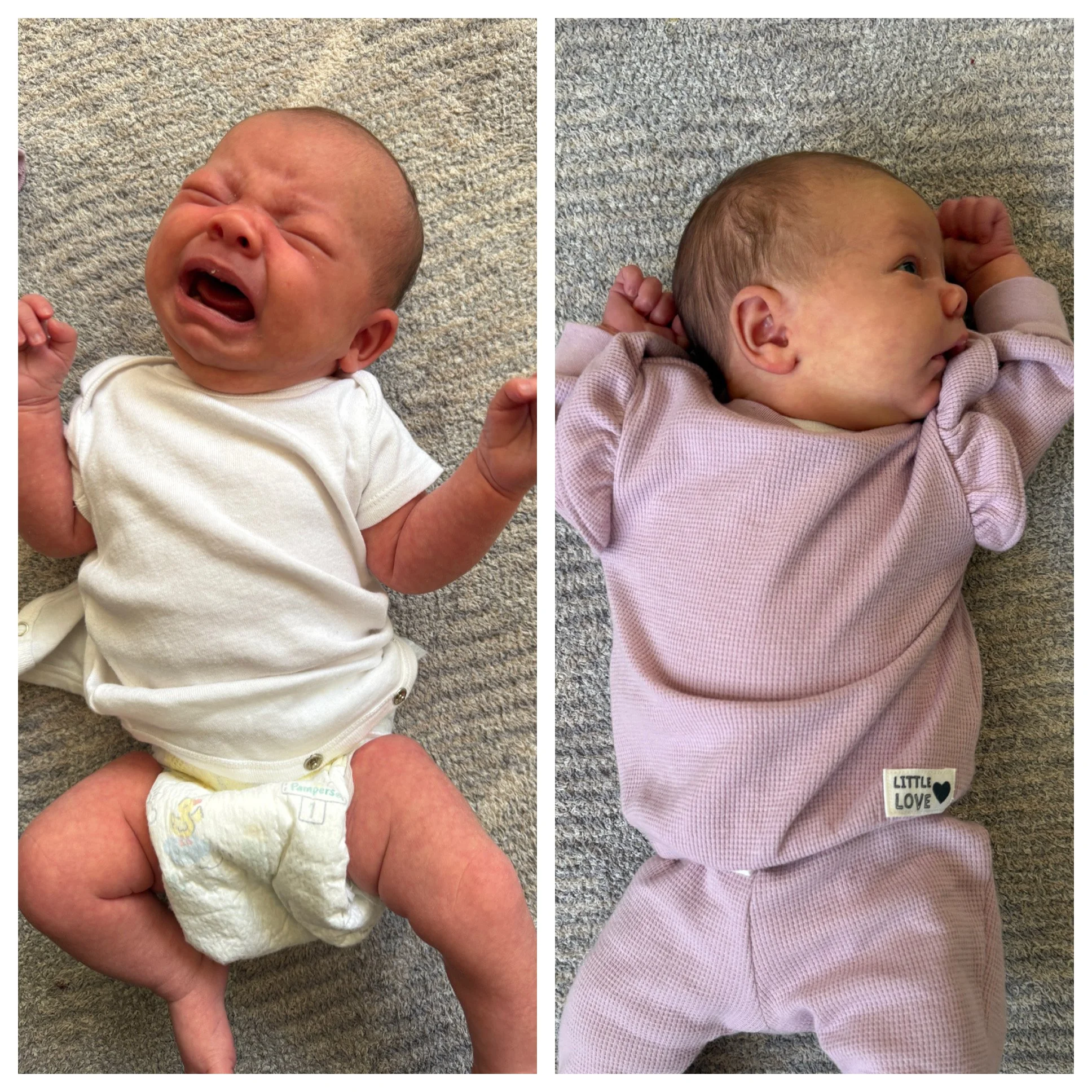
Body Tension in Babies: What’s Normal, What’s Not, and How PT Can Help
If your baby prefers turning their head to one side or struggles with tummy time, you may be noticing signs of torticollis — a very common (and very treatable) newborn condition.
Torticollis usually results from tightness in the sternocleidomastoid muscle or tension from birth positioning, intrauterine positioning, or feeding patterns.
Early Signs:
Baby always turns head one direction
Flat spot forming on one side of the head
Difficulty with tummy time
Fussiness during certain holds or feeding positions
Trouble fully turning head both directions
Home Stretches to Try:
Alternate feeding and diaper changing positions
Encourage looking the “non-preferred” direction using toys
Modified positions of tummy time, repeated several times/day
Have baby play in side-lying play to reduce pressure on the head
When to Reach Out:
If your baby continues to prefer one side after 1–2 weeks of home practice, or if head shape changes are appearing, early PT is recommended.
Bloom PT & Wellness provides in-home newborn visits specializing in torticollis, feeding tension, and early motor development. If you have any questions or concerns with your little one, don’t hesitate to reach out!

TORTICOLLIS IN NEWBORNS
If your baby prefers turning their head to one side or struggles with tummy time, you may be noticing signs of torticollis — a very common (and very treatable) newborn condition.
Torticollis usually results from tightness in the sternocleidomastoid muscle or tension from birth positioning, intrauterine positioning, or feeding patterns.
Early Signs:
Baby always turns head one direction
Flat spot forming on one side of the head
Difficulty with tummy time
Fussiness during certain holds or feeding positions
Trouble fully turning head both directions
Home Stretches to Try:
Alternate feeding and diaper changing positions
Encourage looking the “non-preferred” direction using toys
Modified positions of tummy time, repeated several times/day
Have baby play in side-lying play to reduce pressure on the head
When to Reach Out:
If your baby continues to prefer one side after 1–2 weeks of home practice, or if head shape changes are appearing, early PT is recommended.
Bloom PT & Wellness provides in-home newborn visits specializing in torticollis, feeding tension, and early motor development. If you have any questions or concerns with your little one, don’t hesitate to reach out!
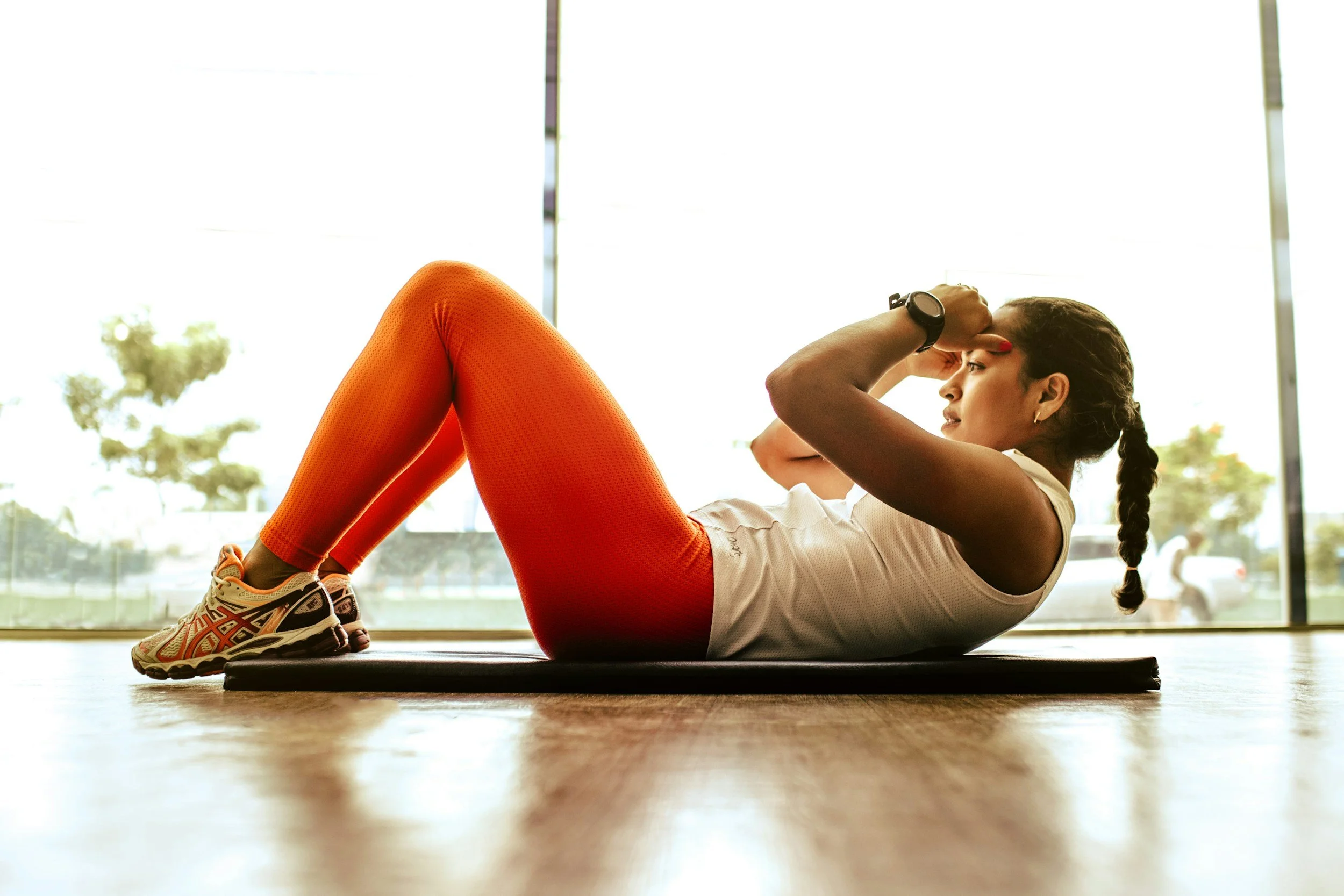
WHY POSTPARTUM CORE WEAKNESS HAPPENS
If you’re a new mom and feel like your core is “gone,” unstable, or simply not responding the way it used to, you’re in good company. As a mama of 4—I have been there and am here to support you through your postpartum journey any way I can!
Postpartum core weakness is one of the most common issues I treat in new moms — and it impacts everything from posture to back pain to confidence in returning back to the things we love.
Why does this happen?
During pregnancy, the abdominal wall stretches to accommodate your growing baby. This stretching reduces tension in the connective tissue (linea alba), weakens the deep core, and often leads to diastasis recti. Add the demands of feeding positions, lifting a newborn, and interrupted sleep — and your core simply doesn't have the support system it once had!
Signs you may be experiencing:
Bulging or doming during sit-ups or getting out of bed
Lower back pain
Hip Pain
Feeling unstable when lifting/carrying baby’s car seat
Difficulty with balance or single-leg activities (stairs!)
Pressure in the pelvic floor
Things to try at home:
360 breathing — 10 slow breaths, 1–2 times daily.
TA activation — gently draw your belly in while breathing normally.
Log roll out of bed — avoid sit-up style transitions.
When to Reach Out:
If you still feel weak, unstable, or uncomfortable after 6 weeks postpartum — or notice doming — an in-home PT assessment can definitely help you move better and grow stronger!
Bloom PT & Wellness offers in-home postpartum care throughout Northern NJ to help you rebuild your core safely and confidently!

WELCOME!
Welcome to Bloom Physical Therapy & Wellness!
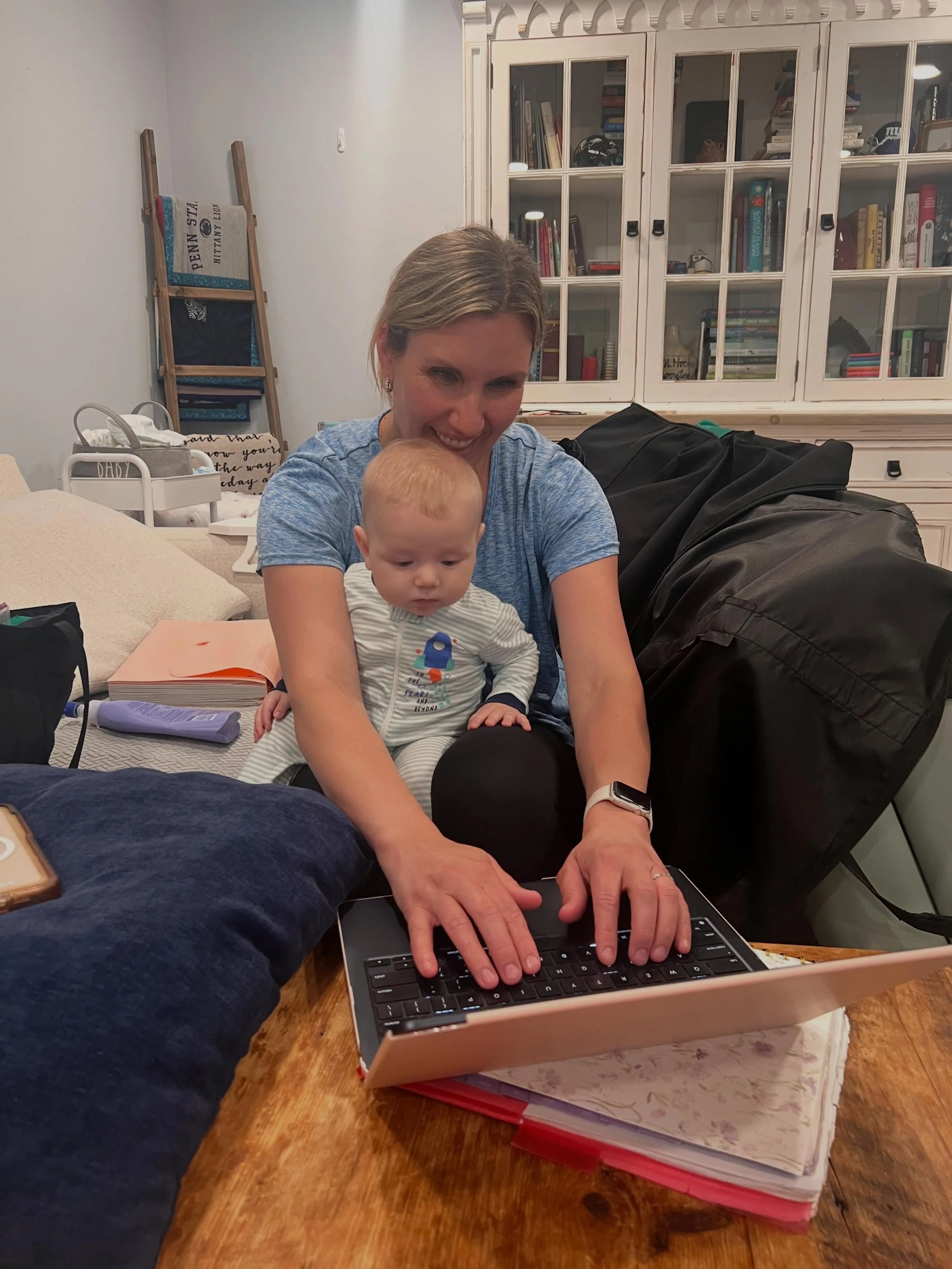
Hi, I’m Dr. Lindsay Chambers, a doctor of physical therapy and founder of Bloom Physical Therapy & Wellness. I’m so grateful you’re here and thankful you’re following along — this space is where I’ll be sharing gentle, practical education to support both moms and babies through every stage of growth! Looking forward to connecting with you!